Six Goals, and the Old European Crown Still Glowed
Chelsea’s 4-2 victory over Hertha Berlin in the 2051/52 UEFA Champions League final gave the night its six-goal rhythm and its lasting place in the club’s memory.
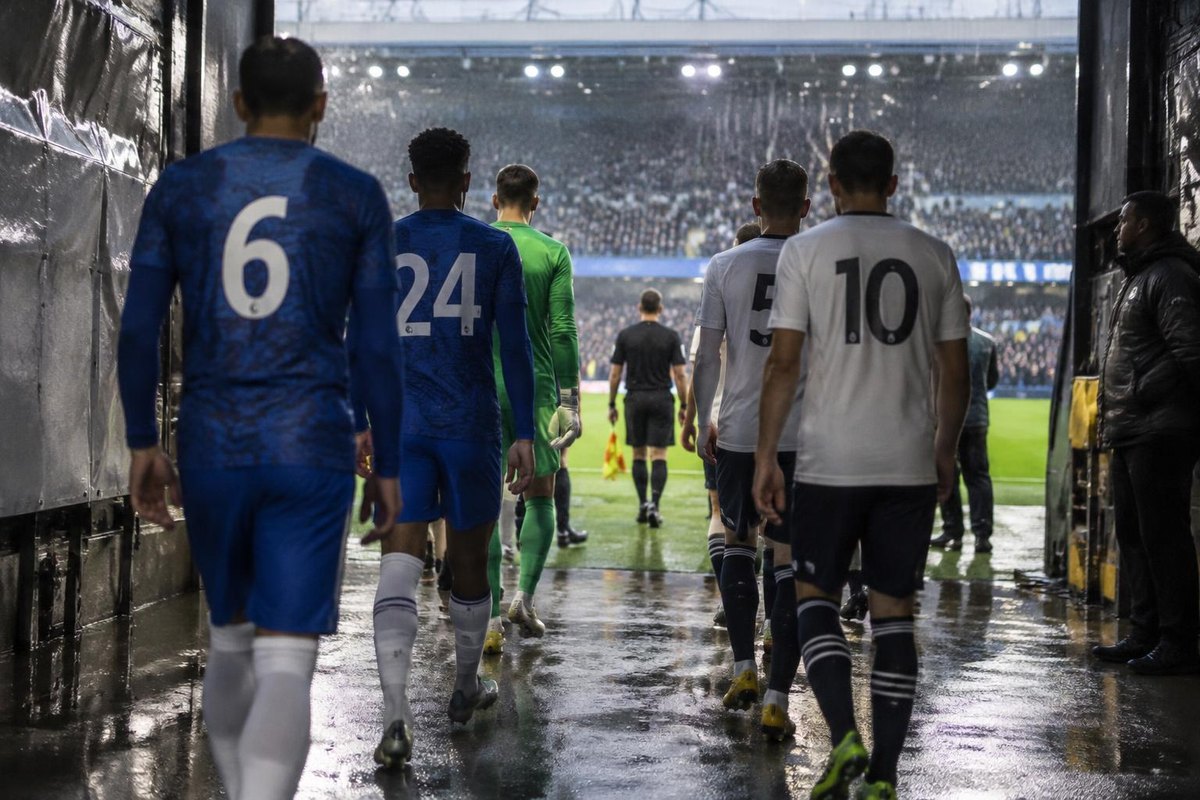
What does a great final leave behind, when its six goals have long since settled into memory? For Chelsea, it is the old European crown catching the light again: a 4-2 victory over Hertha Berlin on Saturday 1 June 2052, a night of early reversals and late release that brought them the UEFA Champions League.
The final belongs to another season, but its echoes feel close this week. Chelsea’s recent Carabao Cup triumph and Wednesday’s UEFA Champions League meeting with Olympique Lyonnais place the old final alongside newer chapters in the club’s story. And on Wednesday, 19 March, César Schwindt gave Chelsea an outstanding display against Olympique Lyonnais in the UEFA Champions League. The names and circumstances change; the old question does not. What can a final ask of a side before it lets them have the cup?
A lead that would not sit still
Hertha Berlin answered first. Daniele Ardito scored in the ninth minute, putting Chelsea behind before the evening had found its settled shape. Six minutes later Zain Whatmough brought Chelsea level. The match had opened like a door pushed both ways: Hertha had made its claim, and Chelsea had answered before that claim could harden into certainty.
Then came the pause before half-time, and Paul Malcolm’s goal in the first minute of added time. Chelsea went ahead with the interval close enough to touch. A goal at such a point in a final can seem to carry two weights: the one on the scoreboard, and the burden it leaves for the other side to carry into the dressing-room and back out again.
Malcolm struck again in the 64th minute. Chelsea were two goals clear, and the match might have seemed to be slipping into a conclusion. But finals are rarely so courteous. Alan Jara scored for Hertha four minutes later, and the margin narrowed again. The old tension returned, no longer an abstraction but a number of goals between a club and the cup.
Chelsea’s last word
The final answer waited until the second minute of added time. Júnior scored Chelsea’s fourth, and the six-goal contest finally had its shape: 4-2, Chelsea winners, Hertha Berlin beaten. The score holds the sequence in its plain, unblinking form, but memory keeps the movement—the swing from Hertha’s opening lead to Chelsea’s reply, the second-half cushion, the immediate threat of its loss, and the goal that closed the door.
Chelsea’s European story would continue through a remarkable sequence of Champions League triumphs, before it ended in 2062/63, when Chelsea finished runners-up. The distinction matters. A sequence can seem endless while one is living inside it; only later does its ending give each earlier victory its own particular light. The final against Hertha sits within that run as a night when the cup was not simply retained, but wrestled back from doubt more than once.
Hertha, too, had its part in the tale. Here, in the European final, they had the first goal and the late response, enough to keep the contest alive until Chelsea found its last. One side left with the trophy; the other left with the knowledge that it had made the champions answer.
Chelsea remain present in that current, their remarkable European sequence having ended two seasons before this spring. Yet the mind returns to the final not as a monument but as a moving thing: six goals, each changing what the next one might mean. Long after the last whistle, one can still picture the scoreline waiting in the dark, blue letters beside white, the final margin glowing like a strip of light beneath a closed door.