Five Goals, One Old England: The 2038 World Cup Final
England’s 4-1 victory over Belgium in 2038 was a five-goal final, and a reminder that the country’s footballing memory is made of evenings as well as arguments about what comes next.
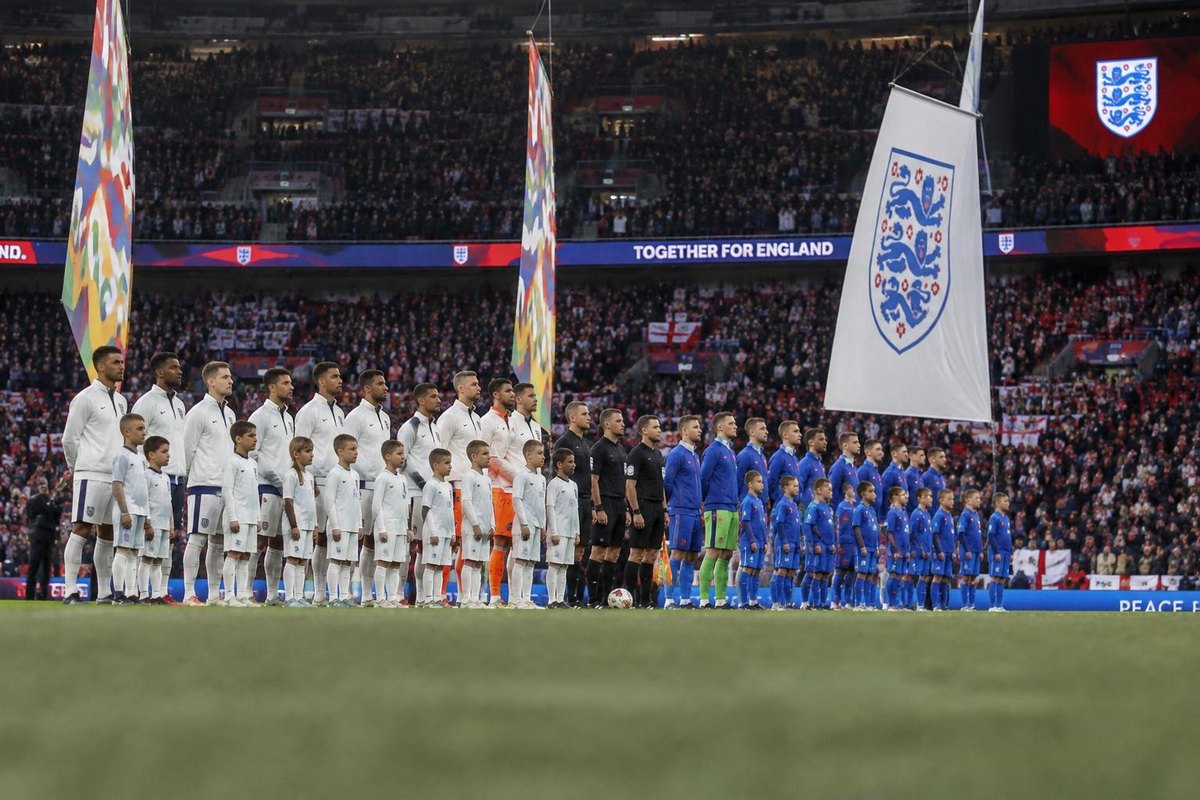
Before a ball was kicked on 11 July 2038, the prize was the World Cup; by the time the last of five goals had settled into the record of that evening, England had beaten Belgium 4-1 and kept a familiar promise to themselves. They had won it in 2034, too. There are victories that arrive as a door opening, and others that return you to a room you thought you had left behind. This was England’s second kind: not the discovery of glory, but its recovery.
Conrad Bogie gave England the lead in the 16th minute. For a while the final belonged to that small, breath-held interval after the first goal, when one side has made its claim and the other must decide what kind of night it will be. Belgium answered through Jawad Pauwels, from the penalty spot in the 42nd minute, and the match went into the interval level, its certainty put away for a little longer.
Samuel Sarfo made it 2-1 in the 55th minute; Jude Bellingham followed in the 59th. Finals often turn on a single hinge, though those watching from the stands may not recognise it until much later, when the noise has gone and the years have softened the edges. Here the hinge seemed to swing quickly, one English goal after another, as if the game had found a direction and was suddenly unwilling to lose it.
Joe Haigh added the fourth in the 84th minute. The number became five, the difference became three, and Belgium’s reply remained the only interruption in an England victory that had first been narrowed, then opened out. Pauwels had been the tournament’s leading scorer, with nine goals; his goal in the final could not keep Belgium level for long, but it made him part of the evening’s shape, not merely its defeat. The final’s memory is not only of the English goals. It is also of that brief answer, and of the pause before the match changed again.
The years since have given England’s name in football a more complicated sound. Last November, an eight-goal rout of Andorra was followed by a 2-1 defeat in Poland in European Championship qualifying, leaving qualification still in their hands; it was the kind of week that makes supporters measure hope carefully, and remember that the shirt carries old triumphs without guaranteeing new ones. The 2038 final offers no forecast. It does something quieter: it puts England beside the World Cup once more, not as a rumour or a longing, but as winners on a summer night when five goals were enough to fill the years between then and now.
There is a particular tenderness in such symmetry: the same number returning across decades, while the people who watched the earlier night grow older, and the young inherit its colours without inheriting its weather. Somewhere in the mind, the final remains at 4-1, the last goal already scored, the crowd still rising around it, and the summer light held for one breath before it fades.