Six Goals, One Night: Chelsea’s 5-1 Final of 2050
With the UEFA Champions League at stake, Chelsea turned a meeting with Athletico Madrid into a six-goal final and a second successive European triumph.
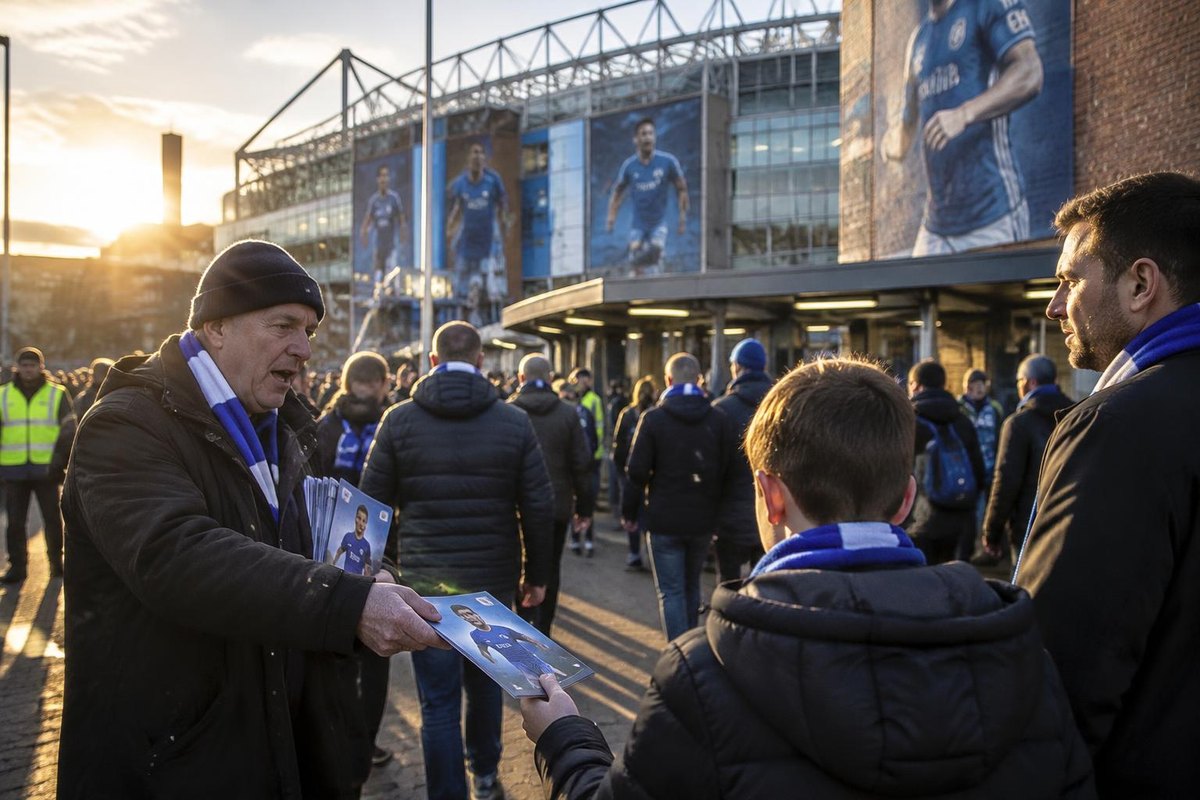
there was a time when Chelsea could go into a European final carrying the weight of expectation and still make the night feel like a private argument settled in public. On 28 May 2050, the prize was the UEFA Champions League; the opposition was Athletico Madrid, and the answer, when the shouting stopped, was Chelsea 5, Athletico Madrid 1.
Five goals for Chelsea, one for Athletico: a scoreline that looks, on paper, as if the contest had been settled by arithmetic. Finals are rarely so tidy while they are happening. Every goal changes the temperature; every reply, or the absence of one, alters the shape of the evening in the mind. Six goals gave this final its place in memory, but the bare total cannot quite convey the oddness of watching a match become so emphatically Chelsea’s.
A second in a row
Chelsea had won the UEFA Champions League in 2048/49, and on that May night they won it again. They would go on to make the competition their own for a long stretch, with the run eventually ending in 2062/63, when they finished runners-up. Looking back from 2064, it is tempting to make the 2050 final sound like a foregone conclusion, the next instalment in a grand procession. That would be unfair to the evening and to Athletico Madrid. The trophy was still waiting to be won; the final had to be played.
Johnny Jenkins opened the scoring for Chelsea in the 18th minute. Zoubir Rebiaï added another in the 36th, and Chelsea went into the interval with the sort of advantage that can make a crowd believe the hard work is done, while the players know it is not. The night had already offered two goals, but the decisive stretch was still to come.
Fabrizio Longhi scored in the 53rd minute. Luther Banton followed in the 64th, and by then the contest had become a demonstration of Chelsea’s control of the occasion. Longhi struck again in the 87th minute, making it five. There is a particular final whistle that belongs to a score like that: not simply relief, but the release of a crowd that has watched its side keep finding another answer.
Ernest Nuhu scored in the 90th minute, a late mark of resistance in a game already decided by the margin. It could not change the destination of the cup. It did, at least, prevent the night from being remembered as a blank for the beaten side.
A long shadow, and a different final
The achievement can make each individual final blur into the next, like a row of silverware polished until the edges disappear. But six goals are difficult to rub out. The 5-1 against Athletico remains a story with its own rhythm: Chelsea scoring in three separate phases of the match, and Athletico finding their voice at the very end.
Alan Kardec, Mario Cardozo, Abraham Weah, Jake Woolley and José Henrique Arósio all played for Chelsea before moving on to Athletico Madrid; Ken Myers went the other way. Those connections give the rivalry a human thread beyond the final score. They do not alter what happened in 2050, but they remind us that football’s old evenings travel with the people who leave them.
There was another Chelsea-Athletico final in 2037, when Chelsea won 6-0. Six goals again, but a different story: that one left no reply at all. The 2050 match was less absolute and, for that reason, perhaps more alive in the memory. Athletico scored, Chelsea answered the occasion five times, and the final had both its sweep and its small late defiance.
Chelsea have recently won a Carabao Cup tie at Rotherham United, while Athletico Madrid won away at Ponferrada on Sunday. Their present business belongs to the present. The 2050 final asks for no help from it. On that night, Chelsea had the trophy to claim, Athletico had the chance to deny them, and five goals settled the matter before Nuhu’s last-minute reply supplied the final’s sixth and last note.