What Did Six Goals Make of the 2037 Final?
Chelsea beat Athletico Madrid 6-0 in the 2036/37 UEFA Champions League final, a result whose six goals left no room for a reply.
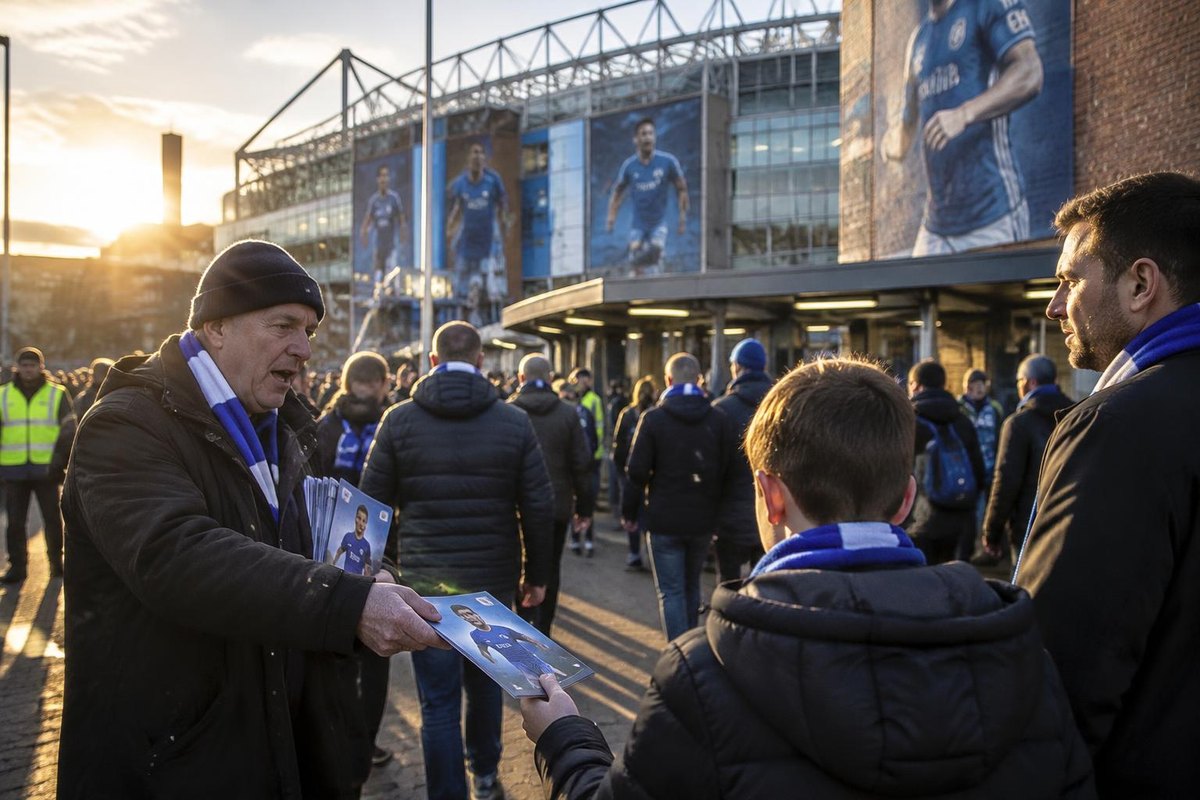
“We kept finding another way to score,” Paul Malcolm might say of the night. On 30 May 2037, Chelsea scored six times against Athletico Madrid in the UEFA Champions League final. The answer arrived in stages: a goal after eight minutes, another before the half-hour, then three more before the interval and after it. The sixth came at 90 minutes. Athletico did not score.
A 6-0 final is difficult to hold in the mind as a contest. It is easier to remember as a sequence, each goal closing off another possible version of the evening. Malcolm opened the scoring in the eighth minute. Henrique Rodrigues scored in the 21st, then Malcolm again in the 40th. Louis Flower added Chelsea’s fourth in first-half stoppage time. Rodrigues made it five in the 60th and completed the scoring at 90 minutes.
The order matters. This was not a final turned by one late intervention or settled by a single moment. Chelsea had built a four-goal lead by the break, then returned to score twice more. By the last goal, the shape of the occasion had changed. The final whistle would confirm a margin already made unmistakable.
A second layer of memory
He shared the tournament’s top-scorer tally with Jean Paul Ndiaye of OGC Nice and Nelson Weiper of Athletico Madrid. His two goals in the final were part of that total, but the company around him gives the result an added edge: Athletico’s Weiper shared the top-scorer tally even as his club left the final without a goal.
Rodrigues scored three times in the final itself. His first came in the 21st minute, his second in the 60th, and his third at 90. A hat-trick in a final is its own kind of argument, and his was made across the evening, from the early widening of the score to its last entry. Chelsea’s other goals belonged to Malcolm and Flower. Together, the four scorers made a result that was not the work of one man alone.
The previous season’s champions had been FC Bayern München. Now Chelsea had the trophy, with Athletico Madrid as runners-up.
The long view
Chelsea have since won the UEFA Champions League 38 times, most recently in 2061/62. Those later successes can make every earlier one seem like a preface. Yet the 2036/37 final stands apart for its own precise reason: in a competition built on close endings and narrow margins, Chelsea turned the last match into a one-sided procession of goals.
The Long Ball has recently returned to another Chelsea final, the 2026/27 UEFA Champions League decider against FC Bayern München, where Chelsea won 5-1. Beside that account, the 6-0 over Athletico is not simply one more large score. It is a different kind of final: six Chelsea goals, no Athletico reply, and a fourth arriving before half-time. The comparison shows how a club’s European history can hold more than one emphatic ending without making them interchangeable.
Alan Kardec, Mario Cardozo, Abraham Weah, Jake Woolley and José Henrique Arósio later played for Athletico Madrid after spells at Chelsea. Kardec made 446 appearances and scored 44 goals for Chelsea in all competitions; Cardozo played 323 games and scored 91 goals, while Weah made 69 appearances and scored 20 goals. Their careers came after this final, and none can be made into its explanation. But in retrospect, the fixture sits within a relationship that would continue to have shared faces.
The score remains the simplest way into it: Chelsea 6, Athletico Madrid 0. Malcolm began the scoring and returned before the break; Rodrigues supplied three; Flower added the fourth. A European title was decided in a game whose decisive work was done early, then carried on until the last minute. What endures is accumulation: one goal after another, until the final had become a statement all its own.