Six Serie A titles, twenty-four trophies, 419 goals: Marius Mocanu was the quiet constant
Eighteen years after his last season, the numbers still read like a rumour of a man: 896 club games, 419 goals, and a career at Juventus that turned a Romanian boy from Voluntari into the most decorated striker of his time.
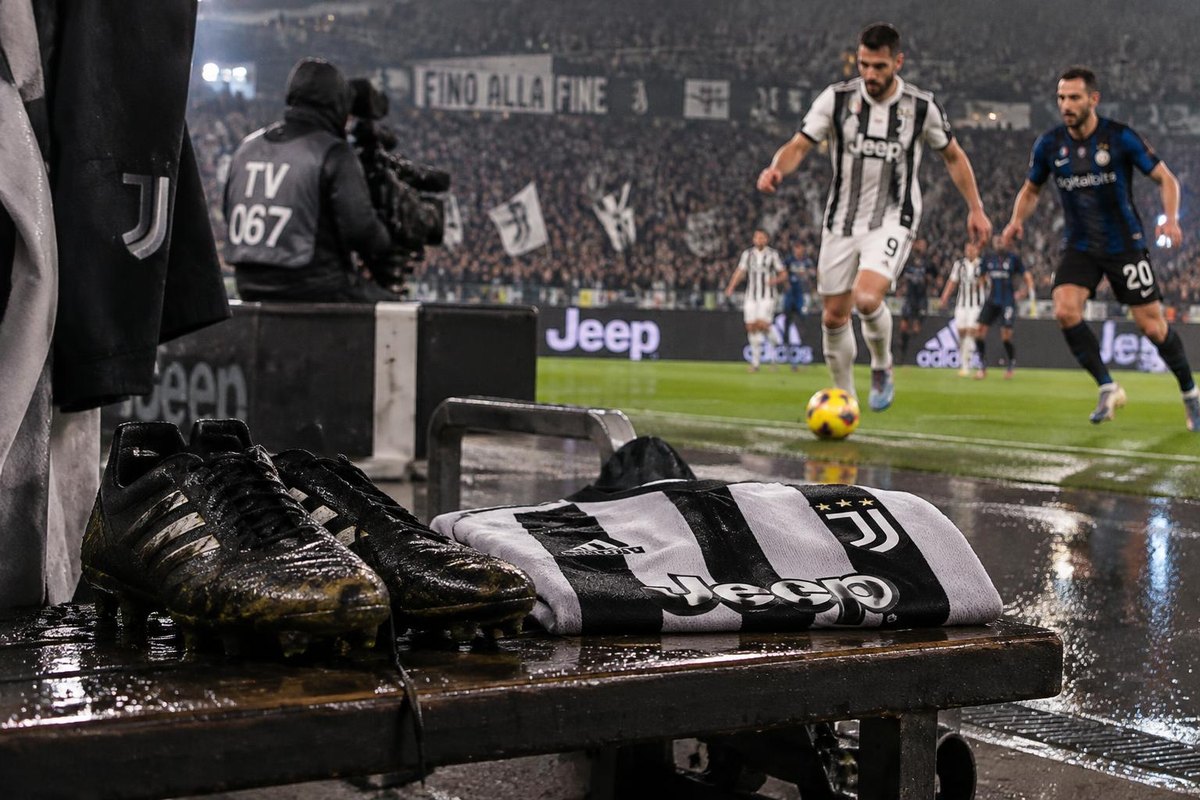
Four hundred and nineteen goals in 896 club games, twenty-four trophies, and a decade and more of Serie A summers that always seemed to end with Juventus lifting something. Set it down plainly, because plainly is how Marius Mocanu played: he was the most complete centre-forward of his generation, and the proof does not need raising of the voice.
He came out of FC Voluntari, a Romanian boy in a small club's shirt, and in four seasons there he scored 32 goals in 87 games. Romanian Young Player of the Year in 2026, and then the road: AS Monaco, Bayer 04 Leverkusen, Arsenal, and finally Turin, where he arrived in 2033/34 and stayed until 2046/47, 625 games and 309 goals in black and white. The middle years were restless, the great years were long.
At Juventus the trophies came in drifts. Six Italian Serie A titles, nine Italian Cups, seven Italian Super Cups — the domestic game bending, season after season, to a side that had him at its point. He was named Serie A Player of the Year in 2034, Top Goalscorer in 2034 and again in 2035, Best Striker of the Season in 2034, 2035 and 2038, and in 2040 came the Exemplary Career award, which is the sort of honour a league gives when it has run out of ways to say the same thing. Twenty games and eleven goals for his country, and in that shirt a World Cup and an Olympic gold.
What the figures cannot hold is the manner of him. He was not a striker of the spectacular gesture but of the repeated, correct one: the run made early, the finish taken simply, the ball struck before the keeper had finished thinking. Those who watched him at his height will tell you he made the difficult look like arithmetic. He was never the loudest man on the pitch, and for that reason the quieter among us loved him most.
Eighteen years have gone since his last season, and the game has moved on in its fashions, as it always does. The goals are still there, though, and the medals, and the memory of a centre-forward who turned up, season after season, and did the thing he was paid to do better than anyone else. The stands at the old ground fill and empty, the floodlights go on, and somewhere in the mind's eye a ball is rolled across the box and a figure in black and white arrives, unhurried, to meet it. That is the picture that stays.