Grégory Rouxel stopped playing twenty years ago. He has not stopped scoring.
Two decades after his last season at Olympique Lyonnais, the numbers still read like something copied down wrong: 777 club games, 403 club goals, and a city that has never quite let go of him.
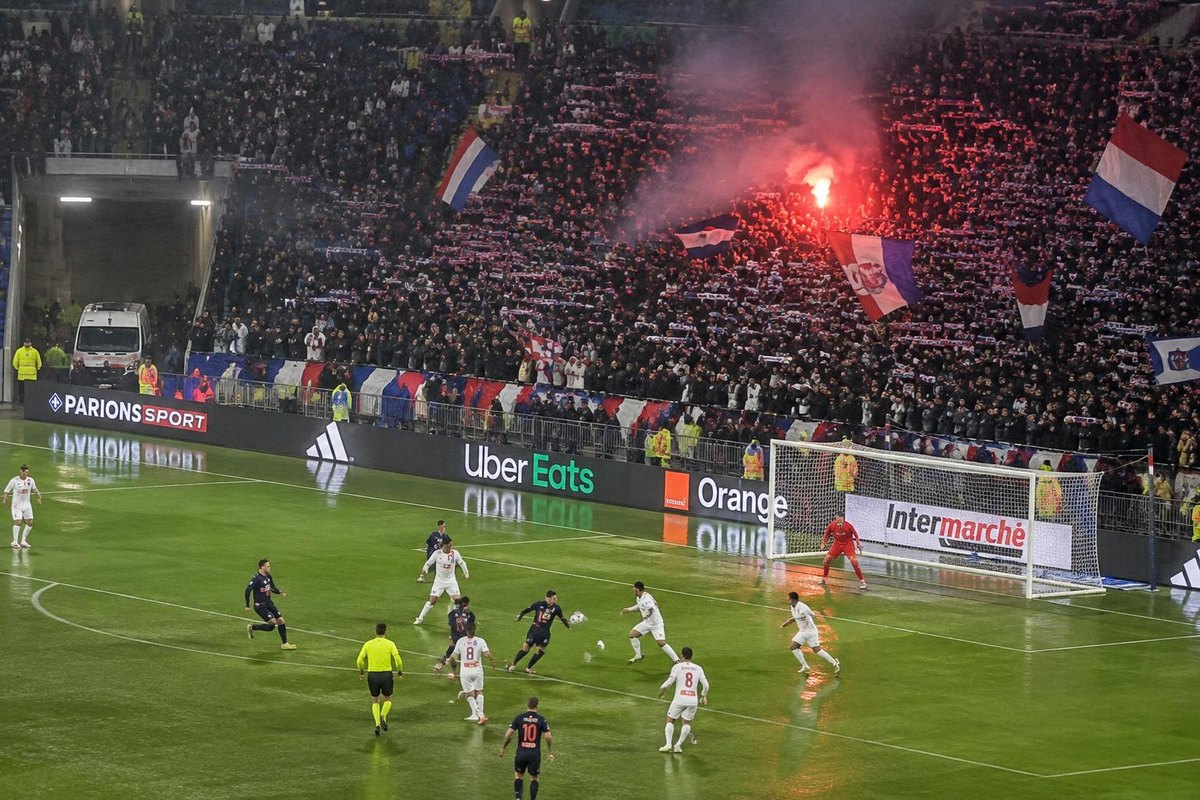
He is still there, is the thing. Not the man — the man has been gone from the pitch since the spring of 2044/45, and twenty years is long enough for a career to soften into anecdote — but the shape of him, the way a ball arriving at his feet used to make a stadium lean forward. Grégory Rouxel scored 403 goals in 777 club games across a career that ran from 2022/23 to 2043/44, and he scored 59 more in 116 games for his country, and those are not numbers you argue with. They are numbers you sit with. In France they have become a kind of weather: always overhead, rarely discussed, impossible to ignore.
What the figures do not carry is the texture of it. He came out of FC Nantes, 67 goals in 134 games, a young striker learning what his body could do. Then Lyon, and the long middle of a life: 336 goals in 643 games, season after season, the same shirt, the same expectation pressing down on his shoulders. He was not a player who arrived and conquered; he was a player who stayed, and stayed, until staying itself became the achievement. There is a kind of greatness in that which the highlight reels never quite catch.
The years of plenty
Those were the years when Lyon expected to win and usually did, and Rouxel was the fixed point around which the team turned. He was never the loudest man in the dressing room, by every account, and never the most quoted; he simply appeared, match after match, and the ball went in. The city learned his rhythms the way you learn a neighbour's footsteps. When he was sharp, you could feel it before kick-off. When he was not, you waited, because the waiting was usually short.
Twenty years on, the club is still winning — the league crowns kept coming long after his boots were hung up, seven in a row before that run ended, the cups piling up in their own seasons — and yet the name that gets spoken first in the stands is still his. That is not a slight on the men who came after. It is simply what happens when one player's career becomes the measure against which everything else is quietly held.
What the numbers leave out
There were 78 assists too, which tells you something the goals do not: that he was not a man who hoarded the moment. He gave the ball when giving it was better. A striker of 403 goals is allowed to be selfish; he mostly chose not to be.
And the international record — 59 in 116 — sits alongside the club numbers like a second, quieter sentence. Not louder. Just there, confirming what the domestic record already said.
The old argument, whenever his name comes up, is whether a career is best measured by its peak or by its length. Rouxel makes the argument look foolish, because his length was his peak. Twenty-two seasons of doing the same difficult thing, and the difficulty never wore off, and he never let it show.
A boy in the stand
On a Saturday not long ago — this autumn, with Lyon at the top of the table again after eleven games — a child in the stand asked his father who the best player ever to wear the shirt was, and the father did not need to think. He said a name the boy had never seen play. The boy nodded anyway, because the name is everywhere in that city, in the songs and the old shirts and the way people say it, and because some things you inherit without ever having witnessed them.
That is what twenty years does. It turns a striker into a story, and a story into something a father hands down, and the goals — 403 of them, in 777 games — into a kind of inheritance. The grass at the old ground has been relaid many times since. The number has not moved. It sits there, patient, waiting for someone to come along and make it feel small, and nobody has.