Thirty years on, Mutiu's Moment still Holds
A dozen days after England lost another final, the anniversary of the 2034 World Cup win over Spain arrives to remind the country what the other kind of summer feels like.
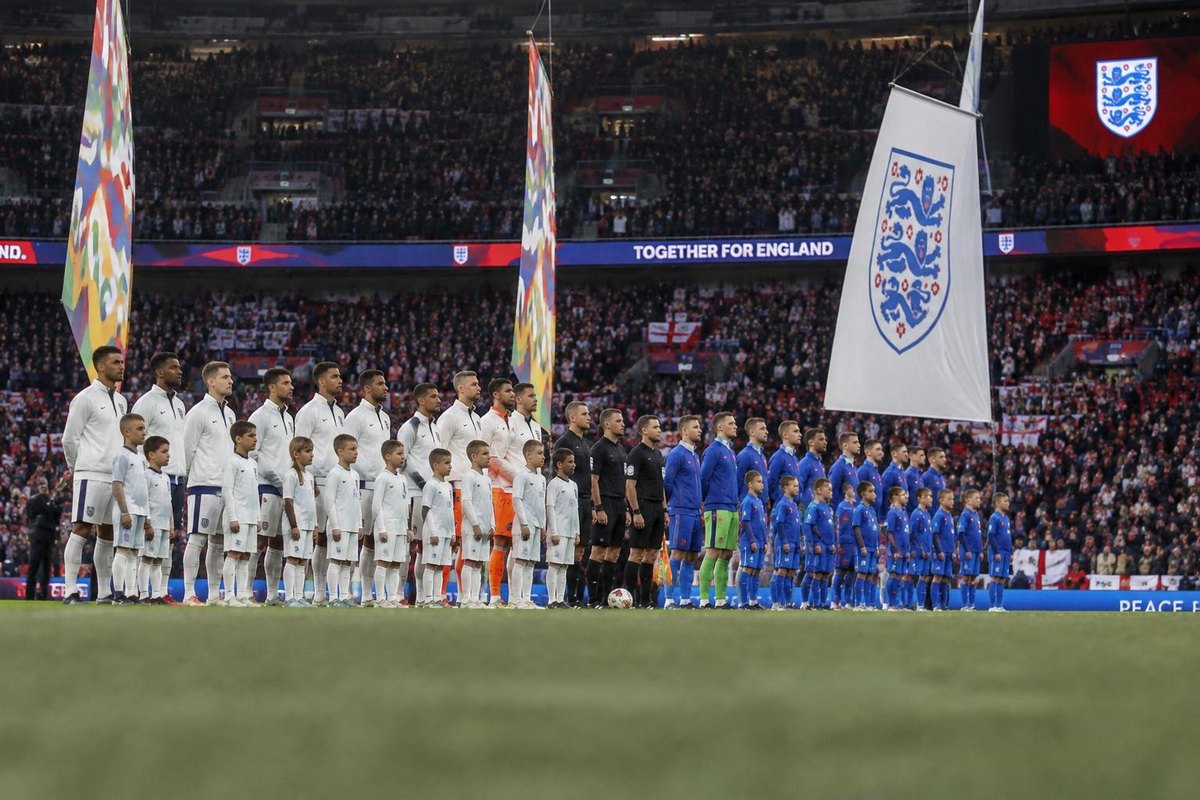
The ball came across, and Peter Mutiu met it the way a man meets a thing he has been waiting for. Forty-second minute. One-nil. That was the whole of the 2034 World Cup final, decided on 16 July, and it is thirty years old today.
Nobody at the English Daily needed to draw the line. The country drew it itself.
A Slow Start, Then a Rush
England's tournament did not begin like a champion's. On 22 June they beat Peru at home in the group, and they had come through without a defeat on the way, but the last sixteen brought Denmark and a hiding that read less like a warning than a boast. Spain, four days later, put four past Morocco in their own group, and the two of them kept pace with each other through the bracket like men walking the same road in opposite directions.
On 30 June England were two up on New Zealand before the hour was out. On 4 July, in the quarter-final, Denmark came round again and were beaten again. Spain, meanwhile, had Brazil in their quarter-final and won it. By the time the semi-finals arrived, the draw had narrowed to two teams nobody wanted to meet.
Spain needed penalties too. On 11 July they and Argentina finished 1-1 after extra time, and Spain went through 11-10 on the kicks. There are shoot-outs that end, and there are shoot-outs that seem to be waiting for something.
Romania, who had put four past the Republic of Ireland in the last sixteen, were beaten by England on 12 July in the other semi-final, and then took third place two days before the final. England had a day's more rest and a great deal more noise behind them.
The Forty-Second Minute
Eighty thousand and sixteen people were in the ground on 16 July. Spain had come through a bracket that had asked them for everything, and for forty-one minutes they asked it of England. Then the ball arrived and Mutiu put it in, and the game settled into the shape it would keep.
"We knew what we had," Mutiu said later, in the flat way of a man stating a fact. "One was enough. It was enough because nobody in front of me was going to give it back."
Spain had their moments. They had come through a shoot-out that went deep into the kicks, and a side that survives that does not lie down at one-nil. But England did not concede, and at the whistle it was 1-0, and the country had its World Cup.
What the Years Did
That is the strange thing about 2034: it is the one in the middle of the run, the one nobody quotes first. Belgium were beaten in 2038. France were beaten in 2046 and again in 2050. Brazil were beaten in 2058. The 2034 final was the tightest of them, and it is the one that made the others possible.
Which is why this month has stung. The fans outsung the scoreboard anyway, thirty-four thousand eight hundred and nine of them, and Cunningham resigned the next day. The squad that lost is not the squad of 2034, and nobody is pretending otherwise.
But thirty years is a long time in a country's memory, and the date still does something. On 16 July, every year, someone puts the Mutiu goal on and watches it again. It is forty-two seconds of a match that lasted ninety minutes, and it is the reason the other finals happened.
Time does not soften a defeat. It does give a country something to put beside it. On 16 July, England had that.