Fifty years on, a nation still counts to 2014
Half a century after Germany beat Argentina in Rio to win the World Cup, the anniversary lands on a country whose summers have been mostly waiting since.
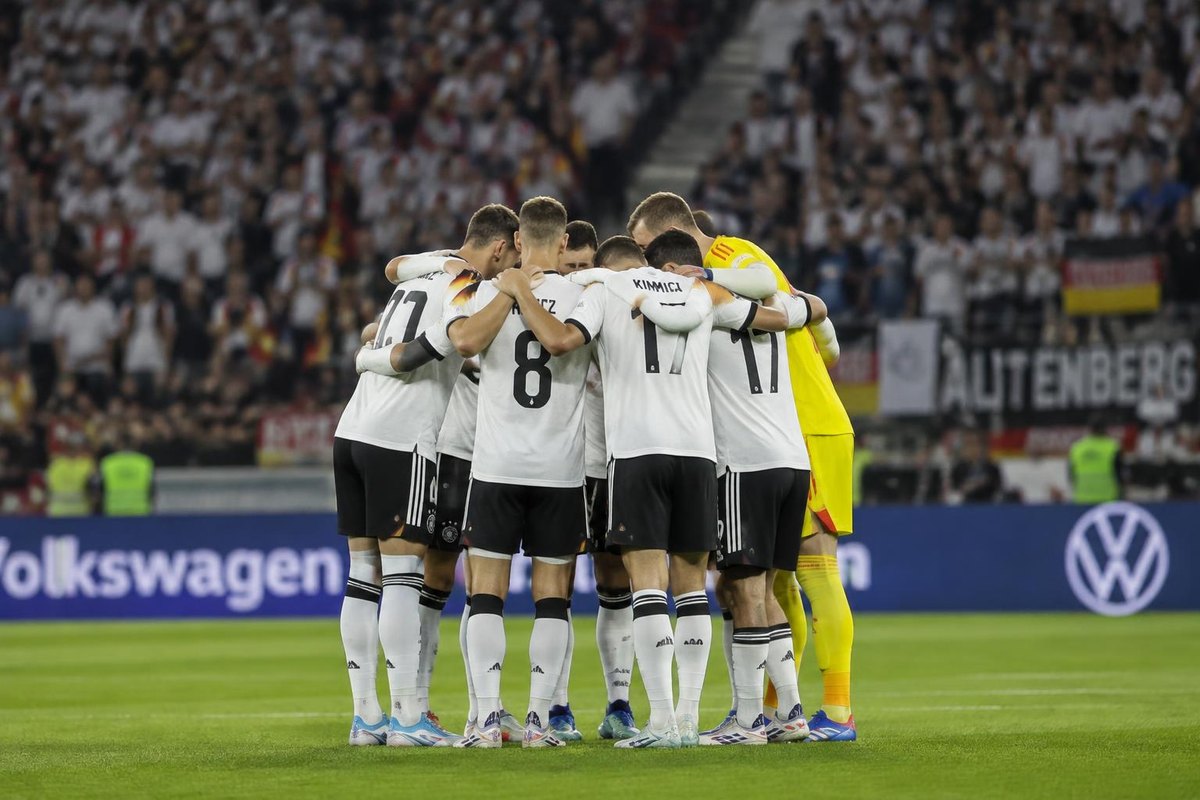
There was a time, and it feels now like a story told by an uncle at the end of a long evening, when Germany simply settled these things. The date is 13 July 2014. A final in Brazil, Argentina in the way, and a German side that had spent a month growing surer of itself with every match. It went to extra time. It was won by a single goal, and that was enough. A nation that had waited a long time for a fourth star had it before the night was out, and nobody in the country doubted it would not be the last.
Fifty years. That is the size of the thing we mark today, the day after. A World Cup won by Germany, on 13 July 2014, and half a century of German summers since that have not produced another. The trophy has gone elsewhere every time. Spain took it in 2010, and Spain were the ones who handed it on; since Rio it has travelled and never come back to the same hands.
You can measure a football nation by what it assumes. Germany in 2014 assumed. The country woke up the next morning and got on with its week, because finals were something it did. That is the part that reads strangely now. Not the winning of it, which took extra time and a slice of luck and a goal nobody in the ground saw properly until it was in the net. The strangeness is the certainty around it, the way a whole country treated a World Cup as a thing that would keep arriving, like a train, on a schedule it had set itself.
The train has not come back. And this summer has been a lesson in the waiting. On 24 June the side beat Portugal 2-0 in Larisa, and the travelling support did what German support does at a tournament: it took over a town and made a neutral ground sound like a home one. On 26 June the last sixteen asked them to see off a Northern Ireland side nobody had fancied, and a nation that used to boss its own summers had to hold its breath. On 28 June there was a squad of unchanged numbers and one man sent home, and the old question came round again, whether a country that once decided tournaments before they began can decide anything at all. On 30 June they had five wins from five and a quarter-final against a Belgium side that had not lost a match all summer, and the talk was of what Belgium were rather than what Germany might be.
On 3 July, Belgium answered. Their attacking midfielder, Jacquet, finished twice either side of the hour, and the German summer ended in a quarter-final. A tournament's stronger squad went on to a semi-final against Spain. Germany went home in July again.
So today the anniversary is not a boast. It is a photograph taken out of a drawer. Fifty years since Rio, and the men who won it are old men now, and the country that expected to be back has spent a long time discovering how hard it is to get there at all. There is no shame in that. Half the football world has spent fifty years discovering the same thing.
But there is a warning in it, and the Germans are honest enough to hear it. A great football nation is not a permanent condition. It is a run of afternoons, and when the afternoons stop coming, the assumption goes first and the football follows.
There was a time when Germany won the World Cup and nobody thought much of it. Fifty years is a long time to miss that feeling.