Chiavaro beats Mingucci on the pitch, but does the argument end there?
Parma’s 1-0 win over Sampdoria on 15 May gave Gabriele Chiavaro the result; Claudio Mingucci has kept the row alive.
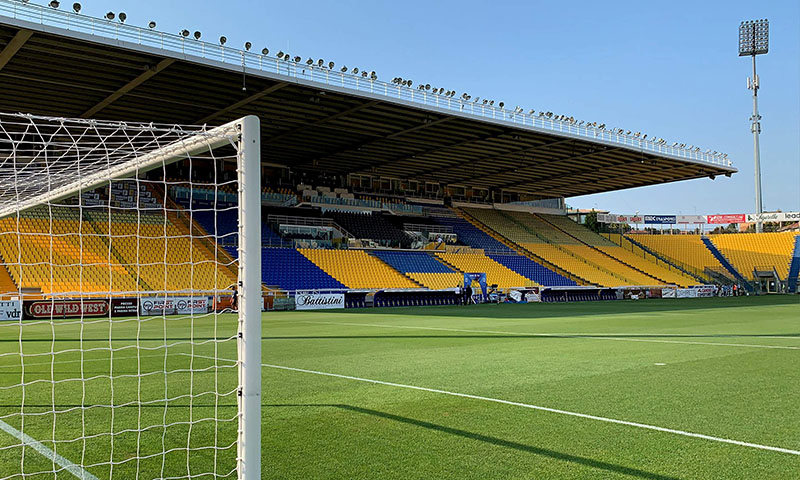
Italian football has never lacked managers willing to make a match personal. But the useful test is always the same: can a side keep its discipline when the noise rises? On Thursday, Parma Calcio 1913 did enough to beat U.C. Sampdoria 1-0. The words traded around that meeting have proved less easy to settle.
The dispute began on Thursday, 15 May, when Chiavaro accused Mingucci of lacking respect. The Sampdoria manager did not retreat. He said he was not worried by Chiavaro’s Parma, then suggested his counterpart had been rattled by the criticism. After Sampdoria’s defeat, Mingucci stood by his comments rather than let the score quieten him.
That sequence gives the argument its edge: Chiavaro’s side took the points in their meeting, yet Mingucci has treated the result as no reason to soften his view. It is a sharp choice. A manager can use provocation to draw attention away from the football; he can also make the next exchange harder to avoid. For now, the only verdict between them is Parma’s narrow one-goal victory.
There is an Italian thread running through this beyond the two dugouts. Sampdoria have Luca Romano, who spent years at Parma, and Ivano Mauri, also formerly of the Parma club. Their old ties make this more than a passing meeting, even if neither is part of the public argument described here.
The next move belongs to the managers, but no further fixture between them is specified. Chiavaro has made his charge; Mingucci has answered and, after losing, doubled down. Parma’s disciplined response on the pitch has the better claim for now. The press-room contest remains open, and the scoreline offers no guarantee that either man will leave it there.