A Final Five: England’s European Night Against Norway
England’s 3-2 win over Norway on 11 July 2032 gave the European Football Championship a final remembered not for a margin, but for five goals packed into a contest that kept changing shape.
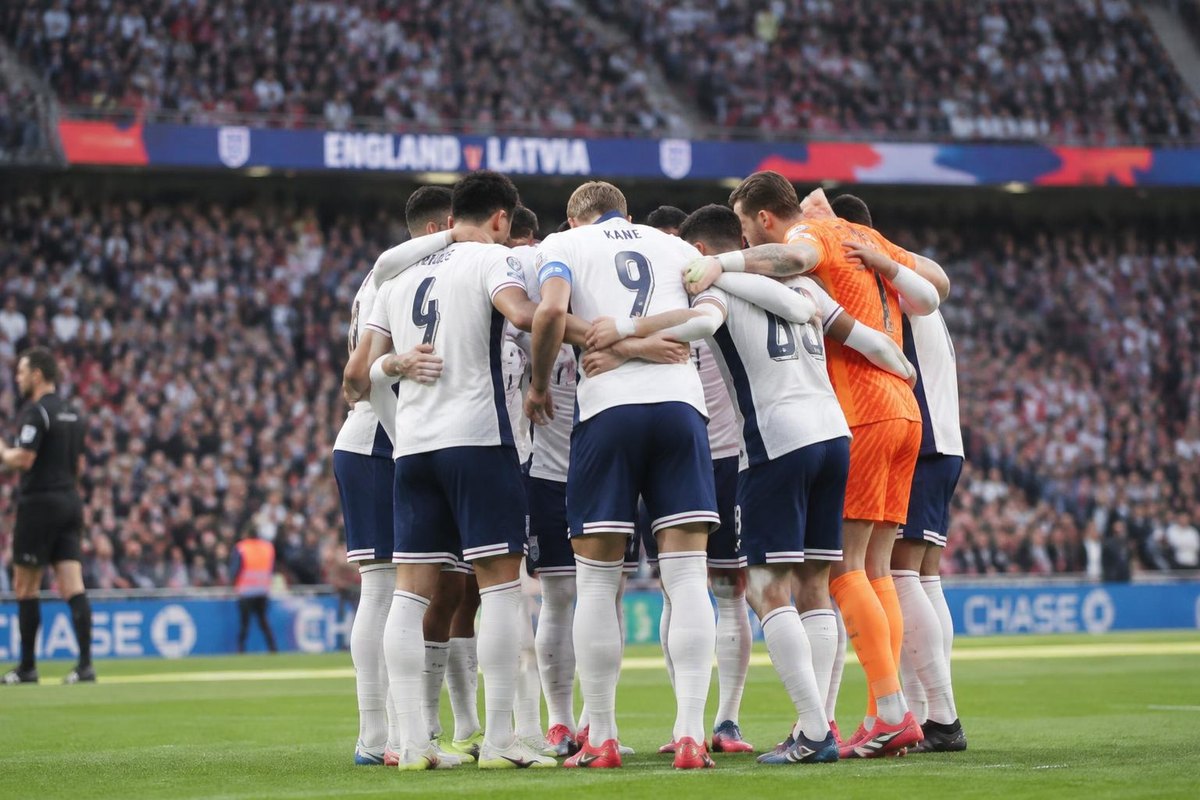
The expected shape of a final is a winner and a beaten side. What England and Norway left behind on 11 July 2032 was harder to file so neatly: a 3-2 result, five goals, and a lead that changed hands before the contest was settled.
Norway struck first, Erling Haaland scoring from the penalty spot in the 19th minute. England answered five minutes later through Joe Haigh, then moved ahead when Billy Gee scored in the 35th. Norway had led; England went into the interval in front, but by only a goal.
Haaland scored again in the 51st minute, bringing Norway level. Three minutes later, Jude Bellingham scored for England. The final score was 3-2, though the line cannot quite contain the sequence: Norway ahead, England ahead, level again, then England in front once more.
That is the particular memory of a five-goal final. It is not simply that the net was busy. Each reply altered the meaning of the score before it, and each lead had to survive the possibility of another answer. England’s goals came from three different scorers; Norway’s both came from Haaland, whose ten goals made him the tournament’s leading scorer. Haigh finished with eight for England, while Louis Flower’s five also placed him among the competition’s leading scorers.
The European Football Championship had been won by Portugal in 2028. Four years later, England took it from Norway in a final whose 3-2 score remains more revealing than any comfortable verdict would have been. Norway were not reduced to a footnote by the result: they had led and drawn level, with Haaland at the centre of their challenge. England’s achievement was to answer each turn and find the last goal.
The final belongs to a wider English memory of five-goal championship nights, but it has its own proportions. It was not the sweep of a large victory. It was a narrow win made memorable by the space between the goals, by the repeated return of uncertainty. England left with the trophy; Norway left having forced the final to keep asking its question until Bellingham’s goal supplied the answer.
More than three decades on, the score still reads as a small drama in five parts. The first belonged to Norway, the next two to England, the fourth to Haaland again, and the fifth to Bellingham. The result says England won. The order of the goals explains why the final endured.