“He left for a reason. Now he’s back to haunt them.”
Antonius Maertens’s £37.5m move from Barcelona to Borussia Dortmund is more than a transfer—it’s a homecoming with unfinished business.
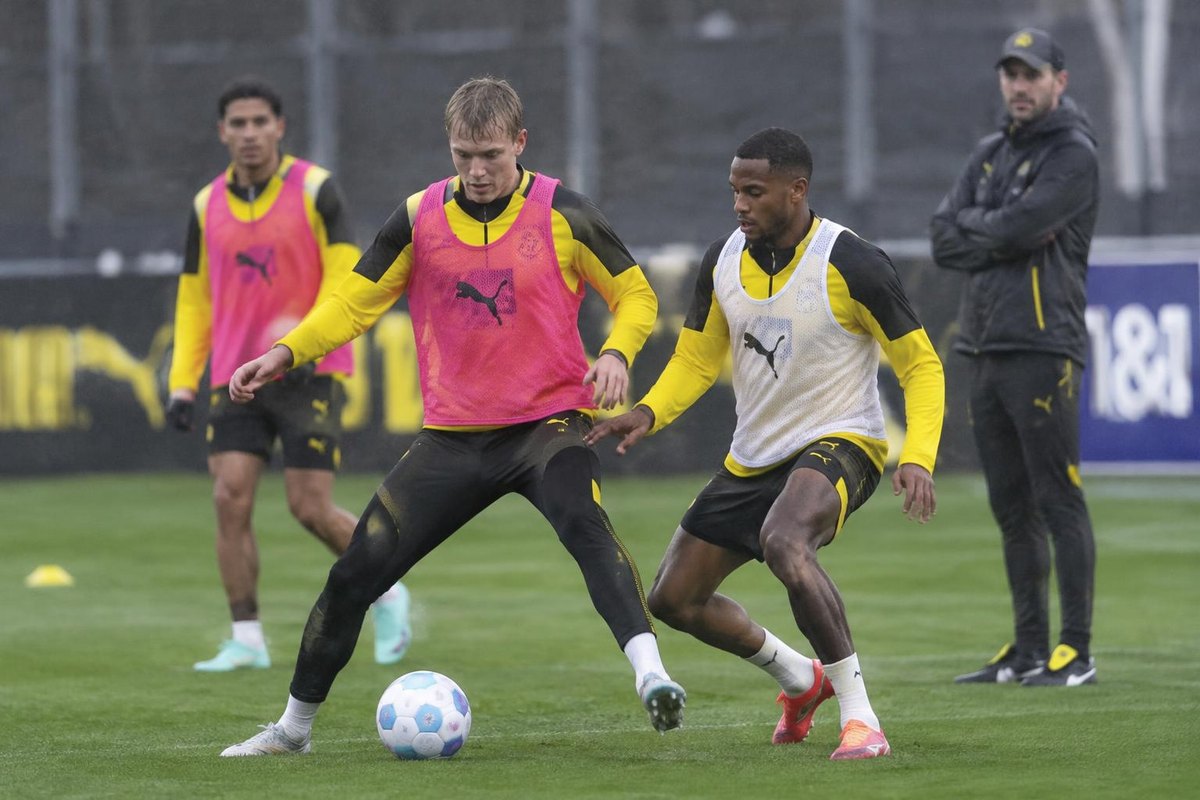
The moment the ball hit the back of the net, the Westfalenstadion erupted—not with the roar of a goal for the home side, but with the collective gasp of 81,000 people realising that Antonius Maertens had just done what he always promised he would. He had returned. And he had made Barcelona pay.
It was 4 July 2063, a friendly before the season proper, but the symbolism was lost on no one. Maertens, the Belgian midfielder who had spent a single, frustrating year at the Camp Nou, now wore the black and yellow of Borussia Dortmund. The move, completed three days later for £37.5m, was not just a transfer; it was a statement. Dortmund, the club that had watched Maertens blossom in the Bundesliga before his ill-fated Spanish sojourn, had brought him home.
The fee, modest by modern standards, belied the significance. Barcelona, a club with 107 major titles, had spent £26m on Jesús Prats from Elche just a day earlier—a forward to replace the hole left by Maertens’s departure. But where Prats was potential, Maertens was proven. In 287 club games across four clubs, he had scored 21 goals, and for his country, 30 caps and a single, memorable strike. Yet his year in Catalonia had yielded nothing but frustration: 31 games, no goals, no trophies.
“I don’t want to talk about Barcelona,” Maertens said after the friendly, his voice steady but his eyes betraying a flicker of fire. “I’m here now. This is my club. This is where I belong.”
Dortmund’s spending this summer—£37.5m on one player, the most in the Bundesliga—suggests a club determined to reclaim its place among Europe’s elite. With 41 major titles of their own, they are no minnows, but the gap to the superclubs has grown. In Maertens, they have not just a player but a symbol: a son of the league who left for the bright lights and came back wiser, hungrier.
The scouting report on 17-year-old Bernard Plaßhenrich, published this very day, speaks of Dortmund’s future. But Maertens is the present—a statement signing that says the club will not wait for tomorrow. The Belgian’s return has already sparked debate: can a player who failed to score in Spain truly be the missing piece? Or is this a romantic gamble, a sentimental journey that ignores the harsh truths of modern football?
For now, Dortmund fans do not care. They see a player who knows the Bundesliga, who understands the rhythm of Saturday afternoons in the Ruhr, who once made the Westfalenstadion sing. And they see Barcelona, that gilded institution, left to wonder what might have been.
As Maertens walked off the pitch, he paused to applaud the Südtribüne. The gesture was small, but it said everything. He was not just a new signing. He was a return. And in football, as in life, returns are often the most powerful stories of all.
“He left for a reason,” a Dortmund official said, smiling. “Now he’s back to haunt them.”