433 goals, 785 games, 14 trophies: the quiet arithmetic of Chus Ortega
Sixteen years after his last season, the numbers still say what the memory keeps: a forward who scored wherever he went, and won almost everywhere he stayed.
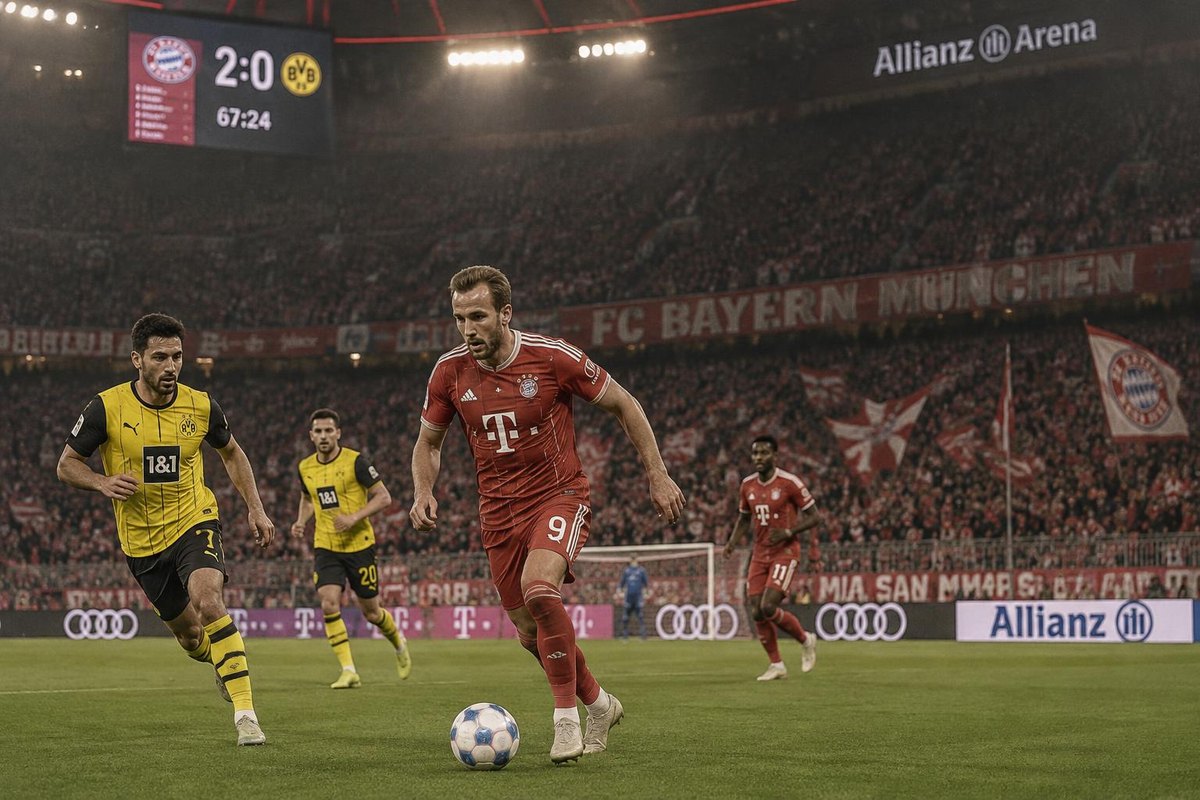
What was at stake, before any of it happened, was only this: a boy from nowhere in particular with a habit of arriving late in the box and a temperament that gave nothing away. Nobody could have known then what the ledger would look like when it was closed — that by the time Chus Ortega walked away from the game, sixteen seasons past now, he would have 433 club goals in 785 club matches, 90 goals in 102 caps, and 14 trophies to carry home. The numbers were not the point when they were being made. The point was always the next match, the next chance, the small silence before the ball came across. But numbers are what remain when the grass has been relaid and the stands rebuilt, and these numbers deserve to be read slowly.
He began at Atalanta, in 2026/27, and stayed until 2033/34: 144 games, 54 goals. That is not the record of a prodigy devouring the world; it is the record of a young forward learning the trade in a hard school, taking what came, growing into his frame. Then Blackpool, 2029/30 to 2030/31, 47 games and 14 goals — a spell that reads now like a season abroad in the old sense, a place to be shaped by weather and by crowds. He came back to Atalanta and finished what he had started there, and by the time he left he was no longer a promise. He was a player.
Aston Villa, from 2033/34 to 2038/39: 176 games, 87 goals. It was there, in 2038, that England named him Footballer of the Year, and the players named him their own Player of the Year — the two awards that matter most because one is given by watchers and the other by the watched. He had become, by then, the kind of forward defenders talk about in the tunnel before kick-off, not because he was quickest or strongest but because he was always somewhere they had not looked.
And then Bayern, from 2038/39 to 2047/48: 418 games, 278 goals. Six Bundesligas, five German Supercups, a DFB-Pokal, a Club World Championship, and the European International League besides. In 2039 he was German Footballer of the Year, German Players' Player of the Year, the Bundesliga's leading scorer, and GOAL50's; in 2041 the world named him its Footballer of the Year, and the Club World Championship named him its best player and its leading scorer. In 2042 the players in Germany chose him again. He was not a man for manifestos. He was a man for the second half of a tight game.
There is a photograph I keep coming back to, though I could not tell you the match or the year. He is walking away from goal with his back to the camera, one arm half-raised, and the crowd behind him is a blur of open mouths. You cannot see his face. You never really could. That was the trick of him: he made the game look like arithmetic and then, just when you had settled into the sum, he would do something that did not add up. Sixteen years on, the sums are all we have left — and they are enough. They are more than enough.