Hapoel Be'er-Sheva stretch their reign to thirteen
Another Israeli Premier League title, another season in which the rest of the country could only watch the procession go by.
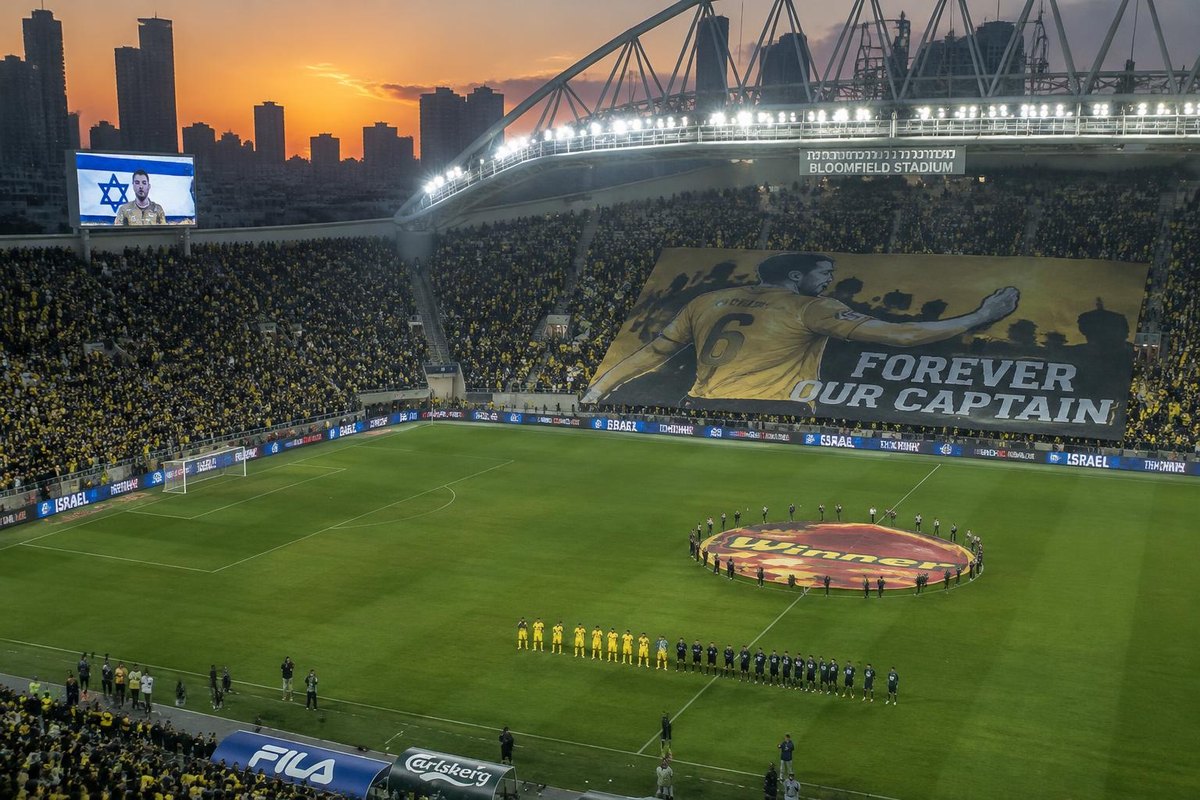
The strain of a long season tells on everyone, but the hardest thing to carry is expectation. When a club has won the championship so many summers running that the trophy seems to belong to it by habit, every match becomes a reckoning, and every opponent arrives believing that to beat you is to make a season. That was the weight Hapoel Be'er-Sheva carried into the 2062/63 Israeli Premier League, and it is the weight they have carried, without dropping it, for thirteen years now, from 2050/51 all the way to the latest crown. The run is still going. Nobody has yet found the answer to it.
What has sustained it
You do not win thirteen championships in a row on one man's boot, however fine the boot. The goals have come from several, and the names read like a small history of the club's attacking years. Sharon Sason, 222 of them across those seasons; Adi Seadya, 214; Nadav Navon, 151; Gal Avraham, 109. Four scorers, four different rhythms, and behind them the same relentless habit of winning the matches that decide things. The summer just gone showed that the machine still turns: Tomer Mizrahi came home from a decade in Germany, and Ben Gamliel went the other way on loan to Nîmes, a young forward learning his trade elsewhere while the side at home kept its standards. Oz Cohen's breakthrough drew eyes from beyond the country, as such breakthroughs always do. Yet the title stayed where it has stayed since the spring of 2051.
The seasons have not all looked alike. Some were processions; others were won late, with the sort of afternoon that leaves a ground hoarse. But the pattern holds, and it has begun to change how the rest of the league thinks. Rivals no longer speak of catching Be'er-Sheva; they speak of the season they might finish above them, as though that were a prize in itself. The latest crown, sealed against Maccabi Haifa, was in that sense the same story told again: the challenger arrives with hope, and the champion finds the goal it needs.
What the years have made
The Super Cup has followed the league like a shadow, three in a row now, the latest won in 2063/64, and the honours gather in the cabinet with a kind of quiet inevitability. But a dynasty is not measured only in silver. It is measured in the way a country's football arranges itself around a single club: the young players who come through believing this is the standard, the opposition crowds who fill a ground hoping to see the end of it, the children in the stands for whom a Be'er-Sheva championship is simply what spring looks like. Thirteen summers of that is a long childhood. A generation has grown up knowing nothing else.
And so the question that hangs over the 2063/64 season is not whether the run will end, but when someone will be good enough to end it. Until they are, the expectation goes on, match by match, the way it always has. Somewhere a squad is warming up for another campaign, the weight on its shoulders no lighter than before, and the trophy waiting at the end of it, as it has waited every year since 2051.