Can thirteen in a row ever be touched again?
Between 1992 and 2004 Rosenborg BK won the Norwegian Premier Division every single year, and the wonder is not the number but the quiet way it ended.
“We never spoke about thirteen. We spoke about the next one.”
That is how it was always told afterwards, in the kitchens and the ferry lounges and the little bars where the old supporters gather, a sentence that sounds like modesty and is really the whole machinery of the thing: the refusal to look up from the next fixture, the next afternoon, the next ninety minutes that had to be won before anybody was allowed to think about the shape of the years.
Thirteen of them. From 1992 to 2004, Rosenborg BK finished a Norwegian Premier Division season as champions, and then did it again, and again, until a generation of Norwegians had grown up believing the summer would end with the league coming to the same place, as surely as the light returns.
A rope of seasons
What a run of that length does is change the way a country tells time. Other clubs had their fine teams, their bright springs, their one great year that grandfathers still argue about; Rosenborg had a decade and a bit in which the ordinary expectation was simply that they would be there at the end. The title stopped being an achievement and became a condition, like weather.
And that is precisely why it was so hard to sustain. Winning once is a season; winning thirteen times is an institution, a habit of mind passed from one dressing room to the next, from players who had never known anything else to boys arriving wide-eyed and learning quickly that second was a kind of failure nobody in the building had language for. Each spring the rest of the league sharpened itself against them. Each autumn the same name sat where it had always sat.
There is no tidy explanation for it, and the men who were there have never offered one. They talk instead about the training, the stubbornness, the refusal to be impressed by themselves. “You could not enjoy it while it was happening,” one of them said, years later. “You could only enjoy it looking back.”
How it ended
The run finished after 2004. Not with a collapse, not with a scandal, not with the great dramatic fall that the story of such things seems to demand — it simply stopped, the way a long piece of music stops, on the year it stopped, and the next season belonged to somebody else. Thirteen had been enough; the league had caught up; the rope ran out.
For those of us who watched from a distance, that was the strange part. A dynasty of that sort ought to end with noise. This one ended with the quiet of an ordinary spring, and a table that no longer read the way it had read for as long as anyone could remember. The club is still a familiar name beyond its own league, still carrying its thirty-six major titles, and the years since have brought their own teams and their own arguments. But no one has come near the thirteen, and the longer it stands untouched the larger it seems.
What remains
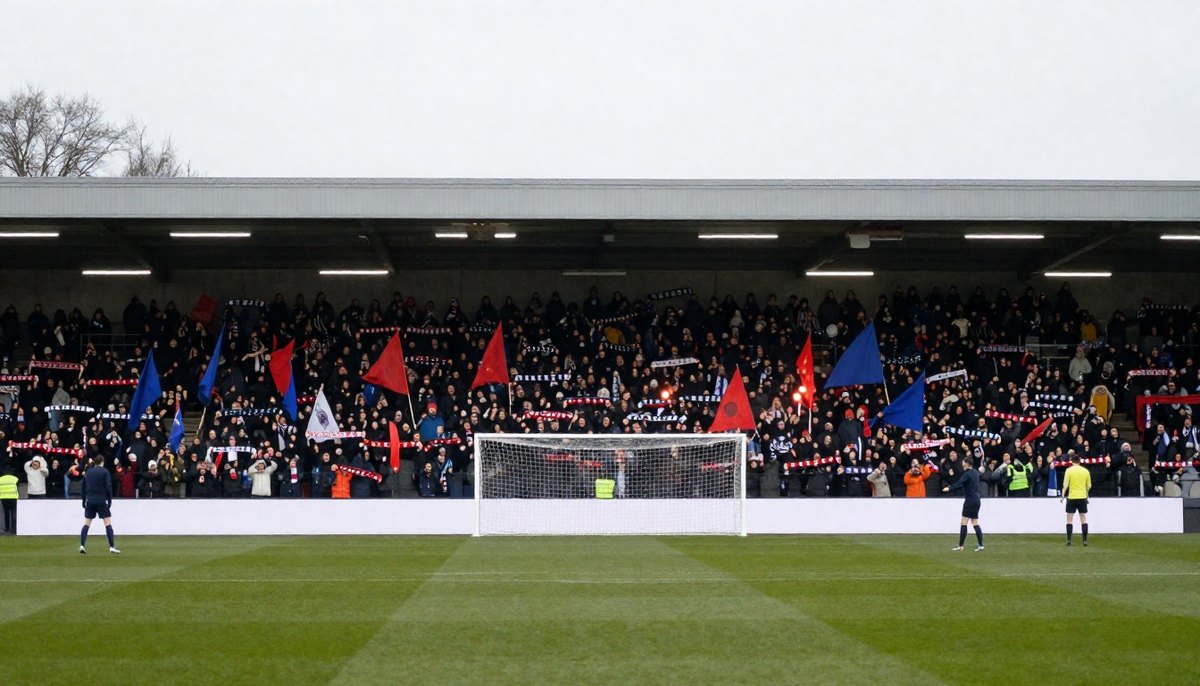
I think of an afternoon late in that long stretch, the ground filling early, the flags hanging slack in a still sky, and a man beside me — older than I was then, older now than I am — saying that his father had told him about the great sides of the past, and that he supposed he would be telling his own children about this one. He did not say it as a boast. He said it the way you remark on a mountain.
That is what a run like Rosenborg’s leaves behind: not a record to be recited but a thing people measured their own lives against, so that a certain year is remembered not by its number but by who was playing, and a certain spring by the fact that the league, once again, went the same way.
The flags are down now, and the ground is quiet on an afternoon in late October, and somewhere a boy is being told about thirteen seasons in a row by a man who can hardly believe he was there to see them.