Fifteen in a row, and still nobody laid a glove on them
For fifteen seasons the Croatian First League had the look of a closed shop, and the men who kept the door shut were not always the ones you would guess.
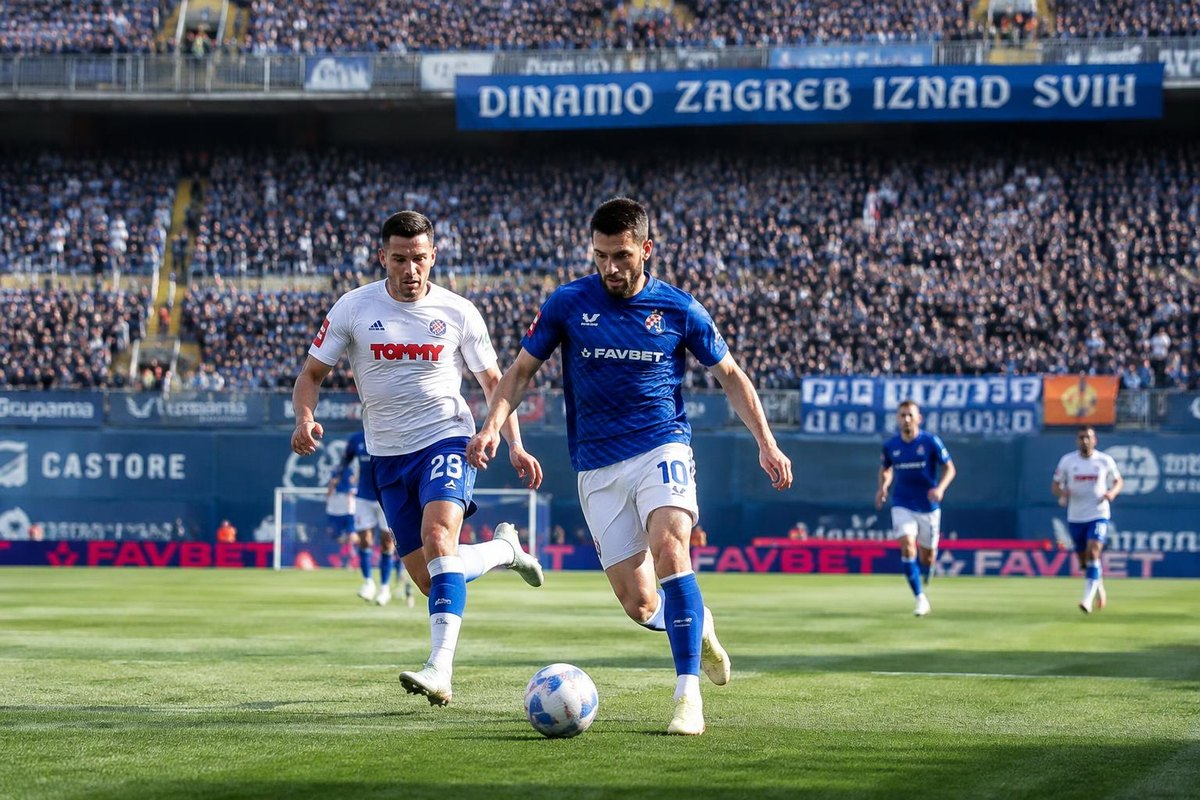
There was a time, and it does not feel so very long ago, when a trip to Maksimir in the spring meant something was still to be settled. Then came the run that took the guessing out of it. From 2045/46 through to 2059/60, fifteen seasons on the spin, the Croatian First League title went to GNK Dinamo Zagreb. Fifteen. You could have gone from a school-leaver to a man with a mortgage in that time and never once seen the championship handed to anybody else.
What was at stake, before the first of them? Not much, by the look of it. Dinamo were already the club the rest of the country measured itself against, and the fear among neutrals was that a single title would tip into a habit. It did. The first few were treated as normal service. By the fifth or sixth, the chasing clubs had started talking about second place as a prize worth having. By the tenth, the league table had become a kind of civic furniture, and the only genuine intrigue was which of the men up front would carry off the scoring.
That is where the run gets its texture. Fifteen titles need goals, and the goals came from four men above all. Mario Vidovic led the way with 140 across those seasons, a return that would make him the answer to any quiz question worth asking in these parts. Behind him, Špiro Vulikić with 93, then a drop to Darijan Miklić on 43 and Ivor Frković on 42. You can read that list two ways. One is that Vidovic did the heavy lifting. The other, and I think the truer one, is that the supporting cast changed hands without the supply ever drying up. When Vulikić was the man, he was the man; when the burden shifted, somebody else took it up.
"You knew what was expected," as one old pro put it to me once, and he was not talking about a top-four finish. "You knew that anything less than first was a bad year, and you learned to live with that."
There is a temptation, from this distance, to file the whole thing under inevitability. I would resist it. The Croatian Cup run that overlaps this stretch, fifteen in a row from 2048/49 and still going, and the Super Cup sequence of fourteen from 2049/50, also unbroken, tell you the squad was being turned over and kept sharp for the lot of it. Winning the league is one discipline. Winning it while the cup competitions keep asking you for another ninety minutes, season after season, is a different kind of tiredness. The men who managed those teams had to keep a dressing room hungry when the medals were arriving like post.
The run ended after 2059/60, and I will not pretend I know the mood on the day it did. Nobody hands out a trophy for stopping a sequence, and the season that broke it will not be remembered as a famous one. But the ending matters less than the shape of the thing. Fifteen years is long enough for a generation of supporters to have grown up believing that spring means a title and that the awkward question is not whether, but by how much.
The rest of the league has had the odd afternoon since. Ante Raguž has been the talk of this season, his eight assists making a stronger case than his modest goal tally, and the chatter around him is really the same chatter that has followed every Dinamo side since 2060: is the edge still there, and who is going to supply it? That the question is being asked at all, rather than answered by the fixture list, is the quiet legacy of those fifteen seasons.
I covered enough of this game at a lower level to know how easily a good side is broken. One injury, one bad winter, one dressing room that stops listening. Dinamo had all of those things across fifteen years, I have no doubt, and still the flag went up in the same colour each May. You do not have to like a dynasty to respect the effort of keeping one upright.
There was a time when a Croatian title race was a proper scrap. For fifteen years it was not. That is the story, and it is a rarer one than the trophy count makes it sound.