The Long Game of Sam Butcher
From 253 goals in 759 club games to shaping the next generation at West Ham, Sam Butcher has always understood what lasts.
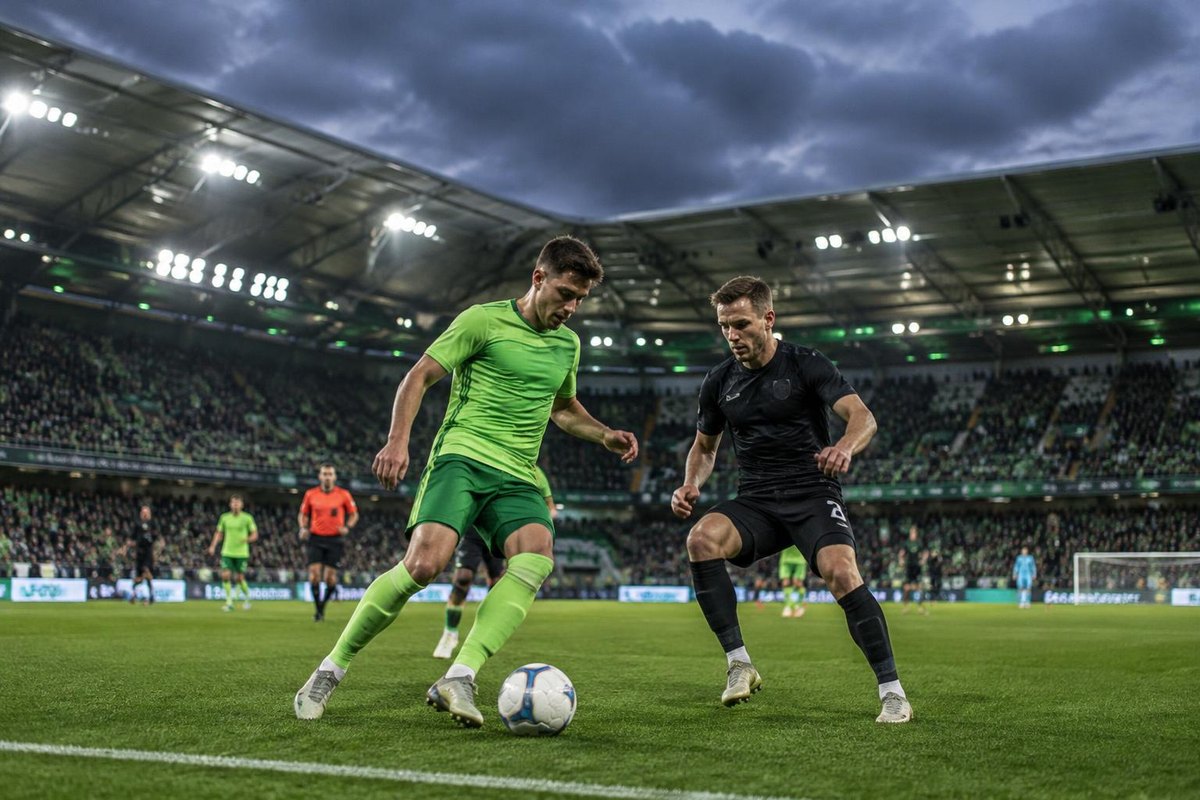
It was never just about the goals, though there were 253 of them across 759 club matches. It was about what happened between the goals, the runs that dragged defenders out of position, the way he read a game two passes ahead. When Sam Butcher finally stopped playing in 2043/44, after 69 games and 18 goals in two seasons at Norwich City, the game lost something it has spent two decades trying to replace.
Now, on a December morning in 2063, Butcher stands at the edge of a training pitch in east London. He is 56, and he is Head of Youth Development at West Ham United, a role he has held since 20 July 2050. The job is his, and he has made it his own. He watches a group of fifteen-year-olds work through a passing drill, his eyes moving from player to player, cataloguing decisions, timing, weight of pass.
### A Career of Quiet Substance
Butcher's playing career began in 2022/23 at Chelsea, where he made a single appearance. It was the first of nine clubs across two decades, a journey that took him from Chelsea to Barnsley, Hull City, VfB Stuttgart, Brighton and Hove Albion, Wolverhampton Wanderers, Sheffield United, and finally to VfL Wolfsburg, where he spent the longest and most successful stretch of his career, 435 games and 168 goals between 2030/31 and 2042/43.
He was never the loudest player on the pitch, but he was often the most effective. At Wolfsburg, he became the kind of forward who could play anywhere across the front line, drifting into space, linking play, and finishing with a calmness that belied the chaos around him. His 13 goals in 24 games for Sheffield United in 2030/31 earned him the move to Germany, and he repaid that faith over the next twelve years.
### The Weight of Numbers
Look at the numbers and you see a career of accumulation rather than explosion. 253 club goals is a fine return, but it is the 759 games that tell the real story. Butcher was durable, reliable, and adaptable. He played through tactical shifts, managerial changes, and the slow evolution of the game itself. He scored 12 goals in 89 games for Barnsley early in his career, learning the hard edges of English football. Later, at Brighton, he scored 15 in 36, showing the finishing touch that would define his peak.
He never played for England. No caps, no goals. It is a fact that surprises people who remember his Wolfsburg years, when he was one of the most consistent forwards in the Bundesliga. But international recognition never came, and Butcher never complained. He simply kept playing, kept scoring, and kept making those around him better.
### A Different Kind of Legacy
Since 2050, Butcher has poured his knowledge into West Ham United's academy. The club is a familiar name beyond its league, and its youth system has long been a source of pride. Butcher's role is to identify and develop the next generation, to teach them not just how to score goals but how to think about the game.
He rarely talks about his own career to the young players. When he does, he focuses on the small things: the importance of a first touch, the timing of a run, the value of patience. He tells them that goals are the result of everything else done well. It is a lesson he learned over 22 seasons, and it is one he is now passing on.
On this December morning, as the training session winds down, Butcher calls one of the young forwards over. They speak for a few minutes, Butcher gesturing towards the penalty area, the boy nodding. No one else hears what is said, but the boy walks away with a slight smile.
Whatever happens next for that young player, he has already learned something from a man who scored 253 goals and never stopped looking for the next one.